

Winocour Law secured a $3.8 million settlement in a commercial vehicle injury case involving allegations of serious negligence and catastrophic harm. The case focused on the actions of a commercial driver and the broader safety responsibilities of the company involved.
Commercial vehicle cases are often heavily disputed from the very beginning. Companies and insurers typically move quickly to protect themselves, preserve favorable evidence, and minimize financial exposure.
In this instance, Winocour Law secured a $3.8 million settlement in a commercial vehicle injury case involving allegations of serious negligence and catastrophic harm by focusing on the evidence surrounding the crash, the extent of the injuries sustained, and whether the commercial carrier failed to uphold its duty to operate safely under Texas law and applicable federal regulations.
While we are sharing this case in general terms to protect confidentiality, the result reflects the importance of early investigation, evidence preservation, and aggressive litigation strategy in high-value commercial vehicle claims.
Case Overview
Where the case began
This case arose from a collision involving a commercial vehicle operating on a Texas roadway resulting in severe injuries and substantial damages.
Commercial vehicle issues at the center of the case
As the investigation progressed, the case focused on the commercial driver’s conduct and whether the company involved followed appropriate safety procedures, hiring standards, training requirements, maintenance obligations, and operational regulations.
Resulting harm
The injured party suffered significant physical, financial, and personal losses because of the collision. The damages included extensive medical treatment, lost income, and long-term impacts that affected daily life and future stability.
Why Liability Applied
Commercial vehicle cases are different from ordinary car accident claims because they often involve multiple layers of responsibility. In addition to the driver’s conduct, liability may extend to the company responsible for hiring, training, supervising, dispatching, or maintaining the vehicle involved in the crash.
Texas law allows injured victims to pursue compensation when a commercial driver or transportation company acts negligently and causes harm. Depending on the facts of the case, liability issues may involve:
- Unsafe driving practices
- Failure to follow federal safety regulations
- Driver fatigue or hours-of-service violations
- Distracted or impaired driving
- Negligent hiring or supervision
- Improper vehicle maintenance
- Failure to properly inspect commercial equipment
In this case, the investigation centered on the evidence surrounding the operation of the commercial vehicle and whether preventable safety failures contributed to the crash and resulting injuries.
The Evidence That Moved the Case
Commercial vehicle litigation is frequently driven by technical evidence. Unlike ordinary passenger vehicle accidents, these cases often involve evidence that can reveal what occurred before, during, and after a crash, including:
1) Electronic and operational records
Commercial carriers are often required to maintain records involving driver activity, vehicle operations, inspections, and company procedures. These records can become critical evidence when evaluating whether safety regulations were followed.
2) Crash investigation and reconstruction
Serious commercial vehicle collisions frequently require detailed investigation. Depending on the circumstances, evidence may include scene analysis, vehicle damage assessments, roadway conditions, surveillance footage, witness testimony, and expert reconstruction work.
3) Medical documentation and damages evidence
The severity of the injuries and the long-term impact on the injured person’s life played an important role in the value of the case. Medical records, treatment history, future care considerations, and financial losses all contributed to the damages analysis.




Anticipated Defenses in Commercial Vehicle Litigation
Commercial vehicle defendants and their insurers rarely concede responsibility early. Instead, they defendethese cases aggressively because of the substantial financial exposure involved, often making claims like:
“The injured party caused or contributed to the crash.”
One of the most common defenses in trucking and commercial vehicle litigation is comparative fault. Defendants may attempt to shift blame onto the injured person in an effort to reduce liability exposure.
“The company followed all safety requirements.”
Commercial carriers often argue that they complied with federal regulations, internal policies, and industry standards. However, compliance on paper does not always reflect what actually occurred in practice.
“The injuries are overstated or unrelated.”
Insurance carriers frequently challenge the seriousness of injuries or attempt to argue that medical conditions existed before the collision. In high-value injury cases, extensive medical evidence is often necessary to establish the true scope of the harm suffered.
In this matter, the evidence developed throughout the case helped keep the focus on the core issues surrounding the collision, the resulting damages, and the responsibilities owed by commercial operators and transportation companies.
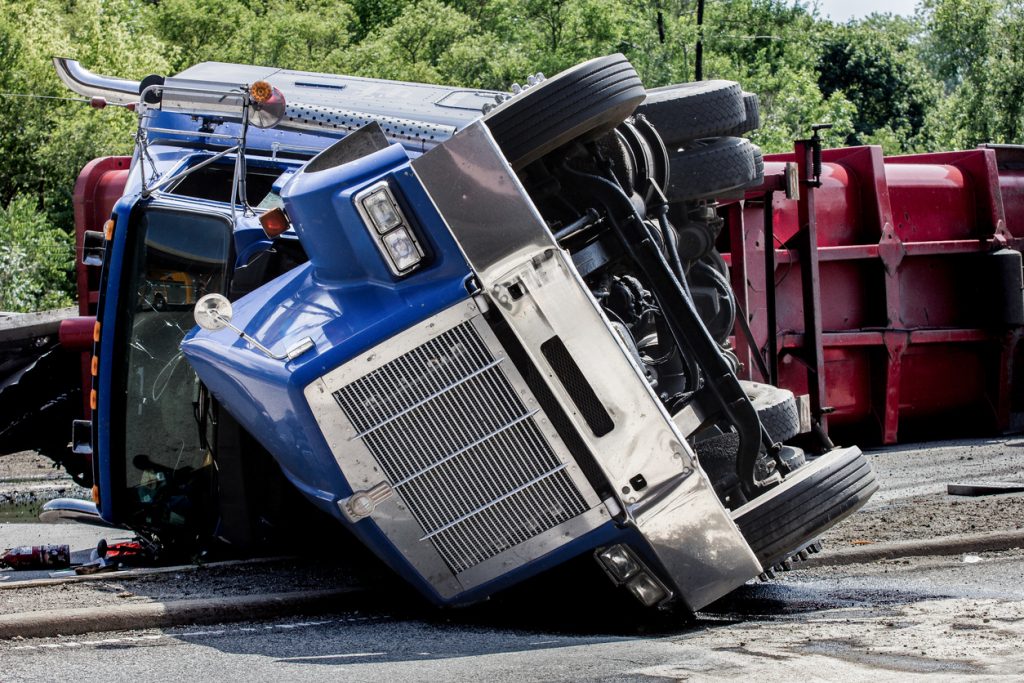
Damages and Settlement Outcome
Commercial vehicle crashes can create devastating financial and personal consequences. Victims may face prolonged medical treatment, permanent injuries, lost earning capacity, rehabilitation costs, and major disruptions to daily life.
The $3.8 million settlement reflected the seriousness of the injuries, the complexity of the litigation, and the substantial damages involved in the case. While no financial recovery can fully undo the harm caused by a catastrophic collision, significant settlements can provide injured victims and their families with financial stability, access to ongoing care, and a measure of accountability.
Key Takeaways
Commercial vehicle cases are often won or lost based on evidence gathered early in the process. Electronic records, inspection reports, vehicle data, witness statements, and crash scene evidence may not remain available indefinitely.
These cases also involve powerful corporate defendants and insurers that frequently begin building their defense immediately after a collision occurs. Prompt legal action can help preserve evidence, protect a victim’s rights, and strengthen the ability to pursue full compensation.
If you or a loved one were seriously injured in a commercial vehicle collision, contact Winocour Law to discuss your legal options and learn how our team investigates complex trucking and commercial transportation cases.