

If you or someone you love has suffered a traumatic brain injury (TBI), you’re not just coping with a health crisis—you’re also facing legal and financial obstacles that can change your life. At Winocour Law, we understand the overwhelming impact TBIs can have on individuals and their families.
Our firm brings together legal intelligence, decades of courtroom experience, and an authentic commitment to each client. We don’t make empty promises. Instead, we prepare every case for trial with diligence and strategic insight, giving you the strongest chance at justice.
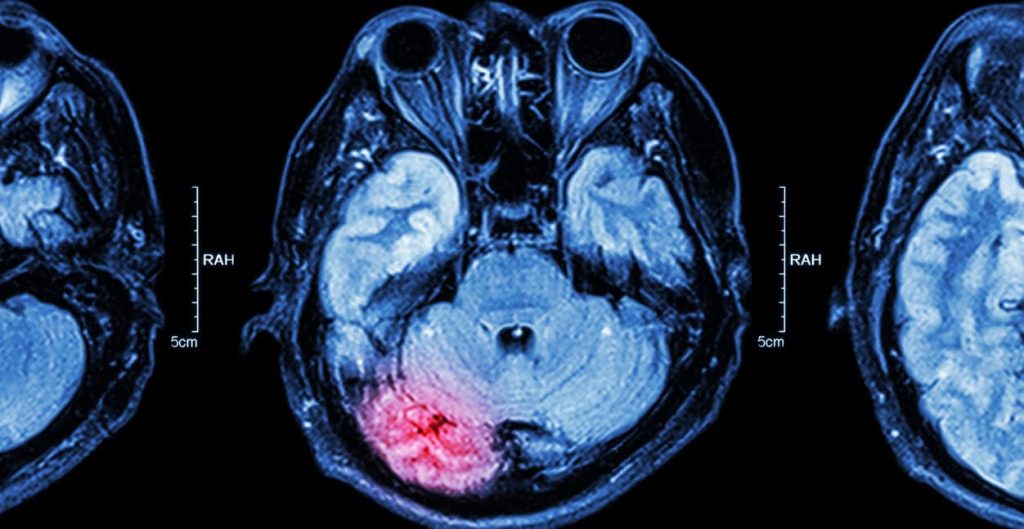
Winocour Law TBI Settlements
Prior results do not guarantee a similar outcome. Each case is different and must be evaluated on its own facts. Results depend on a variety of factors unique to each case, and past performance does not predict or guarantee future results.
$4,000,000 — Child Traumatic Brain Injury / Premises Liability
A four-year-old suffered a traumatic brain injury after falling from an apartment window that had no safety guard or functioning stop. The landlord had ignored known code requirements and prior complaints about the unit’s windows. We built the case around the property owner’s failure to maintain a safe rental and the lifelong cognitive and developmental care the child will require. The matter resolved for $4 million, securing funds for ongoing treatment, therapy, and future needs.
$950,000 — Traumatic Brain Injury / Commercial Truck Collision
Our client sustained a traumatic brain injury when a commercial truck struck the tractor they were operating. We established that the truck driver’s negligence caused the collision and documented the full scope of our client’s injuries, medical treatment, and diminished quality of life. The case settled for $950,000, covering medical expenses and the lasting impact of the brain injury.
Meet Your Attorneys
Led by Jonathan Winocour and Mike C. Miller, our Dallas personal injury firm is known for skillful advocacy, respect for our clients, and meticulous trial preparation.
Our approach is based on:
- Strategic, tenacious legal analysis
- Trusted reputation among peers and judges
- Authentic investment in each client’s outcome
- Calm, compelling courtroom presentation
At Winocour Law, we see every brain injury case as personal, and we are committed to seeing your case through with care, clarity, and purpose.

Jonathan Winocour, Founder and Principal Attorney
Jonathan Winocour is a dedicated advocate for individuals and families affected by traumatic brain injuries (TBIs) in Dallas and throughout Texas.
With over 20 years of trial experience, Jonathan has successfully secured substantial compensation for clients facing catastrophic, life-altering injuries, including multimillion-dollar settlements in cases involving falls, vehicle collisions, and commercial negligence. His compassionate approach to client care is matched by strategic legal insight and relentless courtroom advocacy.
A Diplomate of the National Institute of Trial Advocacy and a Top 100 Trial Lawyer, he has built a strong reputation for litigating complex injury claims, including TBIs resulting from window falls, truck accidents, and workplace incidents.
Mike C. Miller, Of Counsel
Mike C. Miller is an esteemed trial lawyer with more than 40 years of experience handling serious injury cases—including traumatic brain injuries caused by workplace hazards, explosions, industrial falls, and unsafe property conditions. He is board-certified in Personal Injury Trial Law and has earned an AV Preeminent rating for his ethical standards and trial skills over decades of legal practice.
As Of Counsel at Winocour Law, Mike brings deep institutional knowledge and litigation firepower to the firm’s most complex personal injury matters.
Throughout his career, Mike has secured multiple seven-figure verdicts and settlements in catastrophic injury cases, including those involving CRPS, pipeline accidents, railroad collisions, and brain trauma. His hands-on approach to building compelling cases—from analyzing medical records to dismantling corporate defenses—has made him a go-to trial lawyer for cases where the stakes are life-changing.





Understanding Traumatic Brain Injuries (TBI)
TBIs range in complexity. A mild concussion can cause long-term symptoms, while moderate to severe ones may require permanent care.
They can arise from a wide range of situations, from a rear-end collision on I-635 to a fall at a Dallas construction site, where the circumstances of the injury often determine which legal path a claim follows. Our types and causes of traumatic brain injury page breaks down the most common causes and what each one means for a claim.
Immediate medical attention is crucial; not only for your recovery, but also to create clear medical documentation that supports your legal claim. Studies show early intervention improves outcomes and shortens hospital stays.
Why Traumatic Brain Injury Claims Are Uniquely Hard to Win
Not every brain injury shows up on a scan. TBI cases often become harder to win when a computed tomography (CT) scan or magnetic resonance imaging (MRI) looks normal, even though the person’s memory, mood, or ability to concentrate has clearly changed.
Insurance companies often lean on that “mild” label to argue an injury is minor or unrelated to the crash, an approach that can leave real symptoms in dispute for months. Many TBIs are classified as mild; however, the Centers for Disease Control and Prevention (CDC) explains that these injuries are usually not life-threatening, but their effects are not minor.
Symptoms such as headaches, memory lapses, and mood changes can also overlap with pre-existing conditions or ordinary stress, which gives the defense room to dispute whether the crash caused them.
Building Evidence Beyond a Standard Scan
Proving a brain injury claim often means going beyond a single scan. Advanced imaging, such as diffusion tensor imaging (DTI), functional MRI (fMRI), and positron emission tomography (PET), may reveal changes that standard scans do not, and neuropsychological testing can document changes in memory, processing speed, and behavior over time.
Because the defense often challenges these methods, a treating neurologist plays a key role in connecting that evidence to the accident, while a life care planner can project the care ahead.
What You Must Prove in a Texas Brain Injury Claim
In a negligence claim, Texas law requires four elements to hold someone financially responsible for a brain injury. Each has to be shown with evidence, not just described in a demand letter:
- Duty of care: The other party owed you a responsibility to act reasonably
- Breach: They failed to meet that responsibility
- Causation: That breach caused your injury
- Damages: You suffered real, documented harm as a result
Connecting the Accident to the Injury
Causation is often where these cases are won or lost. Because TBI symptoms can overlap with age-related changes, prior concussions, or unrelated health conditions, the defense will often argue that something other than the accident explains your current symptoms.
Building a clear medical timeline, from the moment of impact through ongoing treatment, is central to proving a brain injury claim and showing the connection between the accident and the injury. This is also when consulting a Dallas brain injury lawyer is important. The sooner a case is built around the medical record, the harder it becomes for an insurance company to dispute brain injury liability by pointing to other causes.
How Insurance Companies Fight TBI Claims — and How We Fight Back
Insurance adjusters see brain injury claims regularly, and many rely on a familiar playbook to reduce what they pay. One common tactic treats a lack of obvious symptoms at the scene of an accident as evidence that a TBI did not occur.
Others lean on pre-existing conditions or an old head injury to argue that your current symptoms aren’t connected to the accident. Some go further, attributing poor concentration, irritability, or trouble sleeping to ordinary life stress, such as work or family pressures, rather than the brain injury.
Surveillance and social media monitoring show up often in a TBI insurance dispute, too, since a single video clip of someone having a good day can be used to suggest an injury isn’t as serious as claimed. Adjusters may also make a low settlement offer early in negotiations, before the full extent of the injury and its long-term costs are known.
Protecting Your Claim From the Start
First, decline to give a recorded statement to an adjuster before speaking with a lawyer. Once we’re involved, we take over communications with the insurance company, which helps keep anything said in the confusing early days after a TBI from being used against you later. From there, we build a fact-based claim around medical records, pre-accident history, and neuropsychological testing that answers each tactic with evidence.
Who Is Liable for a Brain Injury? Liability by Accident Type
Who can be held responsible for a brain injury in North Texas depends on how it happened, and that determines the legal path a claim follows:
- Commercial vehicle and truck collisions: Drivers and trucking companies may be liable. Truck collisions typically raise both general negligence law and federal trucking regulations, often with more than one potentially liable party.
- Falls and unsafe property conditions: Property owners may be liable. When a fall or unsafe condition on someone else’s property causes a brain injury, premises liability governs the claim, covering hazards ranging from a wet floor to a poorly lit stairwell.
- Workplace incidents: A job-related TBI may fall outside the standard workers’ compensation system if the employer has opted out of coverage, known as a non-subscriber work injury case. That status can open the door to a full negligence lawsuit against the employer rather than limited workers’ comp benefits.
- Defective products: Manufacturers may be liable when defective equipment or products cause a brain injury.
- Assaults and inadequate security: A property owner may share responsibility if it failed to provide reasonable security against foreseeable criminal activity.
When a TBI results in death, the family may have grounds for a wrongful death claim. When a brain injury causes permanent impairment and lifelong care needs, it may also be classified among catastrophic injuries.
Types of Brain Injury Cases We Handle
We represent a wide range of brain injury cases in Dallas:
- Auto & truck accidents: including rollovers, ejections, and crashes involving 18-wheelers
- Construction site incidents: falls from heights, struck-by-object injuries
- Sports concussions: particularly in underdiagnosed youth athletes
- Workplace accidents: involving heavy equipment or safety failures
- Intentional harm: civil claims arising from assaults or abuse
Our attorneys collaborate with respected neurologists, diagnostic experts, and rehab providers at top Dallas medical centers. These facilities play a vital role in documenting injury severity and long-term impact, information that is crucial to building a strong case.
What Compensation Can You Recover After a TBI?
A TBI can bring years of financial and personal losses. Compensation may include past and future medical expenses, rehabilitation and therapy, in-home care, lost wages, and reduced earning capacity, along with physical pain, mental anguish, physical impairment, and the relationship strain that often follows a serious brain injury. How these losses are documented and projected over time often shapes the value of traumatic brain injury settlements.
Every case is unique. We account for your prognosis, long-term needs, and all available insurance resources to pursue fair compensation.
Why Serious TBI Cases Take Time to Value
The instinct after a brain injury is to resolve everything quickly and move on. With a serious TBI, moving too fast is often the costliest mistake a claim can make. Here’s why we don’t rush.
The full extent of a brain injury isn’t clear right away
Many TBIs evolve. Cognitive, emotional, and physical symptoms can surface or worsen months after the initial injury. Settling before the medical picture stabilizes means accepting a number based on an incomplete diagnosis, and once a claim is resolved, there’s no going back for more.
A child’s TBI can take years to assess
When the injured person is a child, there may be no cognitive baseline to measure against, and the true impact on learning and development often doesn’t reveal itself until the child reaches school age. Fairly valuing a pediatric TBI can mean waiting until the right specialists can measure what the injury actually costs.
Long-term costs have to be projected, not guessed
A fair valuation accounts for a lifetime of care, not just the bills already on the table. We work with neurologists, life care planners, and economists to project future medical, rehabilitative, and income losses.
Early offers are usually designed to undervalue
Insurers often push to settle quickly, before long-term costs are documented. A fast offer can look appealing when bills are mounting, but it’s frequently a fraction of what the case is worth. We prepare every claim as if its full, long-term value will have to be proven.
How TBI Settlements Can Be Structured
Recovering compensation is only part of the job. How a settlement is structured determines how well it actually serves someone living with a brain injury for years to come.
Lump sum vs. structured settlement
A lump sum pays everything at once; a structured settlement pays out over time, often for life. For catastrophic injuries with long-term care needs, a structured settlement can provide steady, predictable support and guard against funds being spent or lost too early.
Present value vs. lifetime value
The figure a case settles for isn’t always the total a client ultimately receives. When payments are structured over a lifetime, the value delivered over time can be considerably higher than the present-value number attached to the case. We believe clients deserve a clear, honest explanation of that difference rather than an inflated headline number.
Settlements involving a minor
When the injured person is a child, Texas courts add safeguards. A guardian ad litem may be appointed to represent the child’s interests independently, and the court oversees how the funds are managed and protected until the child reaches adulthood.
Protecting eligibility for government benefits
A large settlement can unintentionally disqualify someone from need-based benefits like Medicaid. Tools such as a special needs trust can preserve that eligibility while still funding the care the injury demands. We help coordinate the right structure so compensation doesn’t come at the cost of benefits.

The Legal Process: What to Expect in a Texas Brain Injury Claim
Navigating a brain injury claim in Texas can be daunting. We simplify the process, starting with a clear roadmap:
1. Free Case Evaluation
We begin with a review of your medical records, incident details, and potential liability.
2. Evidence Gathering
Our team collects and secures medical documentation, accident reports, surveillance footage, and witness accounts.
3. Expert Collaboration
We partner with neurologists, life care planners, and economists to estimate long-term needs and costs.
4. Insurance Negotiation
We manage all communications with insurance companies and counter lowball offers with detailed, evidence-backed demands.
5. Litigation Preparation
If a fair settlement is not offered, we prepare for trial. Our litigation strategy is precise, data-driven, and persuasive.
6. Resolution
Whether through trial or settlement, we advocate for results that reflect the true impact of your injury.

Why Choose Winocour Law?
Our firm stands out for our combination of courtroom readiness, compassionate counsel, and local expertise. When you choose us, you get:
- Attorneys with real trial experience and proven results
- Strategic legal counsel customized to your case
- Access to top-tier medical experts and resources
- Responsive communication and personal attention
How Long Do You Have to File a Brain Injury Claim in Texas?
Texas’s brain injury statute of limitations generally gives you two years from the date of the injury to file a lawsuit, under Civil Practice & Remedies Code §16.003. If that deadline passes, the claim is likely barred.
TBI symptoms often don’t surface for weeks or months, but a delayed diagnosis usually does not delay the deadline. A legal exception called the discovery rule can delay the start of the deadline, but Texas courts apply it only when an injury was impossible to detect at the time. This is rarely the case after an accident.
Exceptions to the Two-Year Deadline
Some claims follow different deadlines. For a child, the two-year period generally does not begin until they turn 18. The deadline may also be paused when a brain injury leaves a person of unsound mind. Claims against government entities move faster: the Texas Tort Claims Act generally requires written notice within six months, and some city charters set even shorter notice periods.
Schedule Your Free Consultation Today
We understand the emotional and financial toll of brain injuries. Whether you are a survivor, a spouse, or a parent seeking justice, we are here for you.
Our traumatic brain injury lawyers in Dallas offer free consultations and work on a contingency fee basis. You don’t pay unless we win compensation on your behalf.
Contact Winocour Law today to speak with an experienced attorney who will treat your case with the seriousness it deserves.
Frequently Asked Questions: TBI Lawsuits
How is a brain injury diagnosed?
CT scans, MRIs, neuropsychological evaluations, and cognitive assessments are used to diagnose TBIs. Subtle symptoms may require advanced imaging and testing.
What are the common signs of a TBI?
Symptoms include memory loss, confusion, headaches, mood swings, sleep issues, and difficulty concentrating. Severe cases may involve seizures or unconsciousness.
How long do I have to file a brain injury claim in Texas?
Texas generally allows two years from the date of the injury to file a personal injury claim. Delaying could weaken your case. Because TBI symptoms can take time to surface, see our fuller explanation above of the statute of limitations and discovery rule for how that timing can affect a claim.
Can I file a claim if symptoms appear later?
Yes. Many TBIs show delayed symptoms. Timely medical records and expert opinions can connect the injury to its original cause.
Will I have to go to court?
Not necessarily. Most cases settle out of court. However, our firm prepares each case for trial from the outset, giving you leverage and peace of mind.
How much is my TBI case worth?
It depends. Factors include the injury’s severity, cost of treatment, lost income, and future needs. We provide personalized case assessments during your consultation.

Reviewed by
Mike C. Miller
Of Counsel · Board Certified Personal Injury Trial Lawyer
Mike C. Miller has spent more than four decades trying complex cases to verdict throughout Texas. A native of Marshall, Texas, he earned his law degree from the University of Texas School of Law in 1984 and has held Board Certification in Personal Injury Trial Law since 1989 — a distinction fewer than 3% of Texas attorneys ever achieve. His practice covers catastrophic personal injury, FELA railroad injury claims, wrongful death, and maritime law, along with commercial litigation and complex patent cases as local counsel across East Texas.
Learn more about Mike