

There are more than 214,000 hospitalizations related to traumatic brain injury (TBI) in the United States each year, and TBI contributes to over 68,000 deaths annually, according to the Centers for Disease Control and Prevention (CDC). But you and your loved ones are more than statistics.
A diagnosis like this can turn a family’s world upside down, and understanding what you or a loved one is facing is often the first step toward feeling steady again.
What Is a Traumatic Brain Injury?
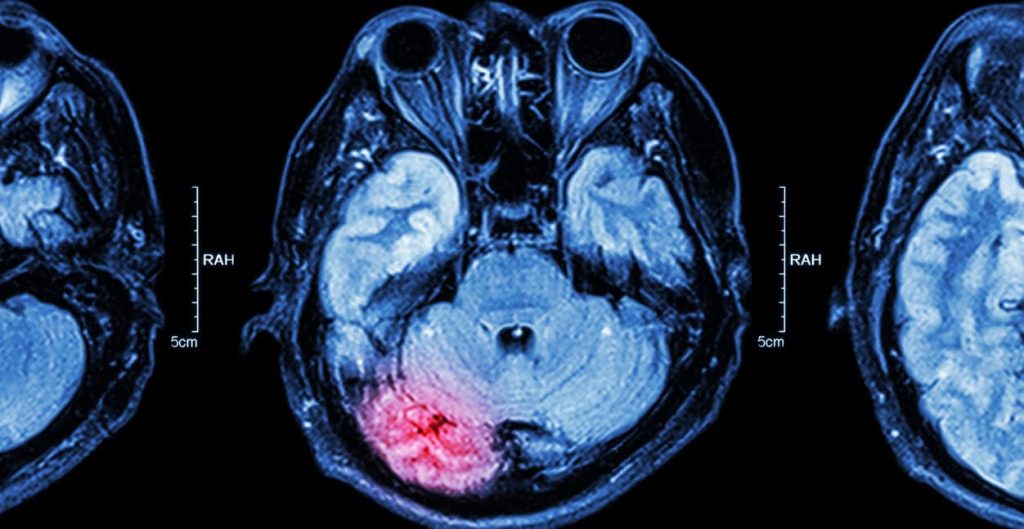
A traumatic brain injury happens when a bump, blow, jolt, or penetrating wound disrupts normal brain function. Doctors generally sort TBIs into two broad categories:
- Closed head injuries, where the skull stays intact
- Penetrating injuries, where an object breaches the skull and brain tissue
Some of the damage happens at the moment of impact, called the primary injury, while swelling, bleeding, and reduced oxygen can cause additional harm in the hours and days that follow, known as the secondary injury.
Types of Traumatic Brain Injuries
Not all TBIs look alike, and the type often shapes both treatment and recovery. Here is a look at the most common trauma types Texas doctors and courts encounter.
Concussion (Mild TBI)
A concussion is the mildest and most common type of TBI, caused by a sudden jolt that makes the brain shift inside the skull. Most people recover within weeks, though repeated concussions raise the risk of longer-term problems.
Brain Contusion
A contusion is a bruise on the brain itself, caused by direct impact. Larger contusions can bleed or swell enough to require surgery.
Coup-Contrecoup Injury
This occurs when the brain is bruised at the site of impact and again on the opposite side as it rebounds inside the skull, common in car crashes and falls.
Diffuse Axonal Injury (DAI)
DAI happens when the brain twists or shakes so violently that nerve fibers tear throughout the brain. Because the damage is spread out rather than localized, DAI is often more disabling than a single-site injury.
Penetrating or Open Head Injury
A penetrating injury occurs when an object, such as a bullet or shattered glass, pierces the skull and enters brain tissue directly.
Hematomas
A hematoma is a pooling of blood inside or around the brain. Depending on location, these are classified as epidural, subdural, or intracerebral, and many require emergency surgery to relieve pressure.
Second-Impact Syndrome
Second-impact syndrome is rare but serious. It happens when someone sustains a second head injury before fully recovering from the first, sometimes causing rapid, severe brain swelling.
Common Causes of Traumatic Brain Injuries
The CDC reports that falls are the leading cause of TBI nationwide. Other common causes include:
- Truck accidents and other motor vehicle collisions
- Being struck by or against an object
- Assaults and other violence
- Sports-related impacts
- Workplace and construction accidents
- Blast injuries
TBI Severity Levels: Mild, Moderate, and Severe
Doctors often use the Glasgow Coma Scale to gauge severity in the hours after an injury, scoring eye, verbal, and motor response. A score of 13 to 15 generally indicates a mild TBI, 9 to 12 a moderate injury, and 8 or below a severe injury. Loss of consciousness and memory gaps also factor in. A longer blackout or memory loss generally points to a more serious injury and a longer recovery.
Symptoms of a Traumatic Brain Injury
Symptoms vary by severity and can include:
- Physical: headaches, dizziness, nausea, fatigue, sensitivity to light or noise
- Cognitive: confusion, memory problems, trouble concentrating
- Emotional and behavioral: irritability, anxiety, mood swings
- Sensory: blurred vision, ringing in the ears, altered sense of taste or smell
Symptoms can also appear immediately or emerge days or weeks later, making prompt medical evaluation and documentation important for both your health and any legal claim.
What Are the Symptoms of a TBI in Children and Infants?
Babies and young children cannot always describe what they are feeling. Watch for changes in eating or sleeping habits, unusual crankiness, loss of new skills, or a persistent, inconsolable cry.

Long-Term Effects and Complications
Moderate and severe TBIs can lead to lasting complications, including chronic traumatic encephalopathy, early-onset dementia, and an increased risk of Parkinson’s disease, according to NIH research. These risks are part of why ongoing medical monitoring matters long after the initial injury heals.
How the Type and Cause of a TBI Affect Your Legal Claim
The type of TBI you suffered, and how it happened, can shape both your medical prognosis and your legal claim. For example, a DAI or penetrating injury tends to carry a different long-term cost than a single concussion, and a claim tied to a workplace incident may follow a different path than one from a car crash.
Get the Support You Need After a Traumatic Brain Injury
If you or a loved one is dealing with a TBI in Dallas, DFW, or elsewhere in North Texas, a Dallas brain injury lawyer at Winocour Law can help you understand your options, including what traumatic brain injury settlements in similar cases have looked like, and how catastrophic injuries like these are valued under Texas law.
Contact our firm today to schedule a free consultation.

Reviewed by
Mike C. Miller
Of Counsel · Board Certified Personal Injury Trial Lawyer
Mike C. Miller has spent more than four decades trying complex cases to verdict throughout Texas. A native of Marshall, Texas, he earned his law degree from the University of Texas School of Law in 1984 and has held Board Certification in Personal Injury Trial Law since 1989 — a distinction fewer than 3% of Texas attorneys ever achieve. His practice covers catastrophic personal injury, FELA railroad injury claims, wrongful death, and maritime law, along with commercial litigation and complex patent cases as local counsel across East Texas.
Learn more about Mike