Summary
Winocour Law secured a $925,000 dram shop settlement built on documented alcohol service over approximately seven hours and a fatal crash occurring less than a quarter mile from the last place alcohol was served.
This case came down to a simple question: when was intoxication apparent and why did service continue anyway? Here, we share the outcome in general terms to protect confidentiality and highlight the evidence that drove the award.
Factual Overview
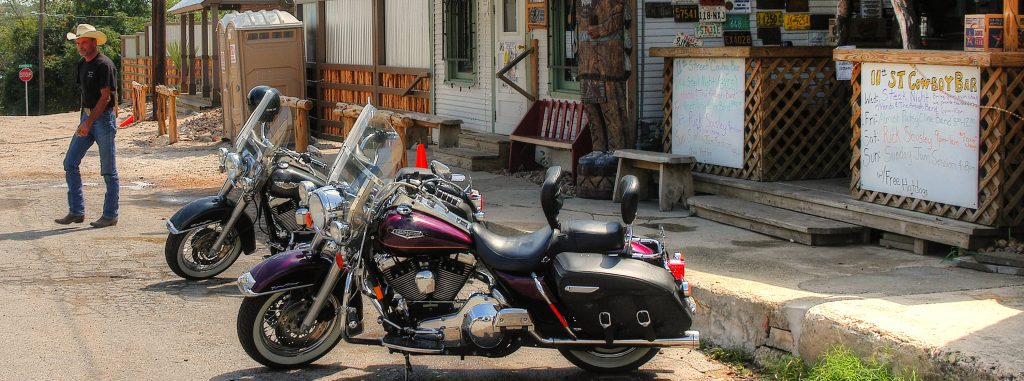
- Where it began: The decedent, associated with a Christian motorcycle club, spent approximately seven hours at a bar in a small town southwest of Fort Worth.
- Alcohol service at issue: Documentation reflected approximately seven shots and five to six beers served during that time.
- Resulting loss: After leaving on a motorcycle, the decedent was killed in a crash described as occurring less than a quarter mile from the establishment.

Why Texas Dram Shop Liability Applied
In this case, the issue wasn’t whether alcohol was served at all—it was whether the establishment kept serving after intoxication should have been obvious, and whether that overservice contributed to the fatal collision that followed.
Texas law allows a dram shop claim when it was apparent at the time of service that a person was obviously intoxicated to the point of being a clear danger to themselves and others, and that intoxication was a proximate cause of the harm.
Here, the documented service over roughly seven hours—paired with a fatal crash described as occurring less than a quarter mile from the last place of service—put that “service-to-harm” connection at the center of the case.
The Evidence That Moved the Case
The make-or-break evidence in dram shop wrongful death cases is visible impairment and documented alcohol service. In this case, we assembled a persuasive record of both.
1) Video + point-of-sale records/receipts = documented service
The evidence included video footage of each service round, paired with point-of-sale records documenting what was served. That matters because it reduces the ability to claim uncertainty about what was provided, when it was provided, or how often service continued.
2) A deposition presentation that made the point unmistakable
During the bar manager’s deposition, the alcohol service was illustrated in a way that was hard to ignore. Each drink ordered and consumed was confirmed through the POS report and video of patrons placing their corresponding empty beer bottles and shot cups on the table. By the end of their time in the establishment, the volume of service was quite clearly visible.
3) Proximity kept the focus where Texas dram shop law puts it—at the moment of service
When the harm follows almost immediately after a patron leaves the last place of service, defendants often try to shift attention to anything else. However in our case, the evidence and proximity kept the focus on the core issues: what the staff could plainly see at the time each drink was served and why service didn’t stop.
Anticipated Defenses to Defendant’s Dram Shop Liability
When a bar gets hit with a dram shop claim, the defense usually tries to make the case about anything other than overservice. We hear arguments that sound like: “Our staff was trained,” “We followed policy,” “You can’t prove intoxication was obvious,” or “The crash isn’t on us.” The goal is to dilute responsibility and create doubt about what should have happened at the bar.
Safe harbor/training: “We did everything right.”
One of the first defenses alcohol providers reach for is “safe harbor”—the idea that the business should not be held responsible because its employees were trained and the company did not promote illegal service.
Pursuant to Texas Alcoholic Beverage Code § 106.14, defendants commonly point to training and internal policies to claim the business shouldn’t be held responsible for its employees’ improper service because they did as much as they were required.
Why that mattered here: training can exist on paper, but the real issue is whether the staff kept serving anyway after intoxication should have been obvious. When service is documented drink-by-drink, “we trained our people” stops being an answer.
Challenging causation: “You can’t connect us to what happened next.”
Another predictable defense theme is to argue that even if alcohol was served, the establishment wasn’t the cause of the fatal outcome, or that the link between service and the loss is too remote.
Why that mattered here: the crash occurred less than a quarter mile from the last place alcohol was served. That proximity helped keep the case focused on what happened inside the bar and what followed immediately after.
Comparative negligence: “This was the patron’s choice.”
Comparative responsibility arguments shift the spotlight from the establishment’s conduct to the patron’s decisions, suggesting the outcome should be blamed on “personal choices” rather than overservice.
Why the evidence mattered here: the proof wasn’t speculative. Video and receipts/POS records documented repeated service over a long period. With a documented service history and a fatal crash occurring so close to the establishment, it becomes much harder to dodge the core question Texas dram shop law asks: Did the bar keep serving when intoxication should have been obvious?
Wrongful Death Damages
We were pleased to secure a significant award that held this alcohol provider accountable for the fatal injury in the case. Texas law provides a path for eligible family members to pursue wrongful death damages. Under Texas Civil Practice & Remedies Code Chapter 71, these claims can be filed for the benefit of the deceased’s surviving spouse, children, and parents.
While no amount can ever bring back a loved one, the $925,000 award brought our client some measure of closure, financial stability, and justice for their loss.
Key Takeaways
This settlement underscores a blunt reality: when alcohol service is clearly documented and tragedy follows almost immediately after the patron leaves, dram shop defenses get a lot harder to sell, and the financial exposure can be serious.
It also highlights how fast these cases can turn. Video, POS data, and other digital records aren’t guaranteed to stick around. Acting early can preserve the proof that makes accountability possible.
If you lost a loved one and suspect an alcohol provider kept serving when intoxication should have been obvious, speak with a dram shop attorney at Winocour Law today.
Our Dram Shop Case Results

$3m Settlement in a Texas Dram Shop Wrongful Death Action
$925k Settlement in a Texas Dram Shop Wrongful Death Action
$560k Settlement in a Texas Dram Shop Wrongful Death Action
Meet Our Attorneys

Jonathan Winocour, Founder & Principal Attorney
Jonathan Winocour represents individuals who have been injured or harmed, providing legal representation, guidance, and support during some of the most difficult times in their lives. With a calm, deliberate approach and a strong focus on courtroom preparation, Mr. Winocour handles complex civil and constitutional cases in both state and federal courts across Texas.

Mike C. Miller, Of Counsel
Mike C. Miller is a Texas board-certified personal injury lawyer dedicated to standing beside clients during difficult times, providing compassionate guidance and esteemed representation for individuals, families, and businesses seeking justice and compensation.
With over 40 years of experience, Mr. Miller has built a deep-rooted reputation for tenacious advocacy on behalf of Texans with life-altering legal challenges.